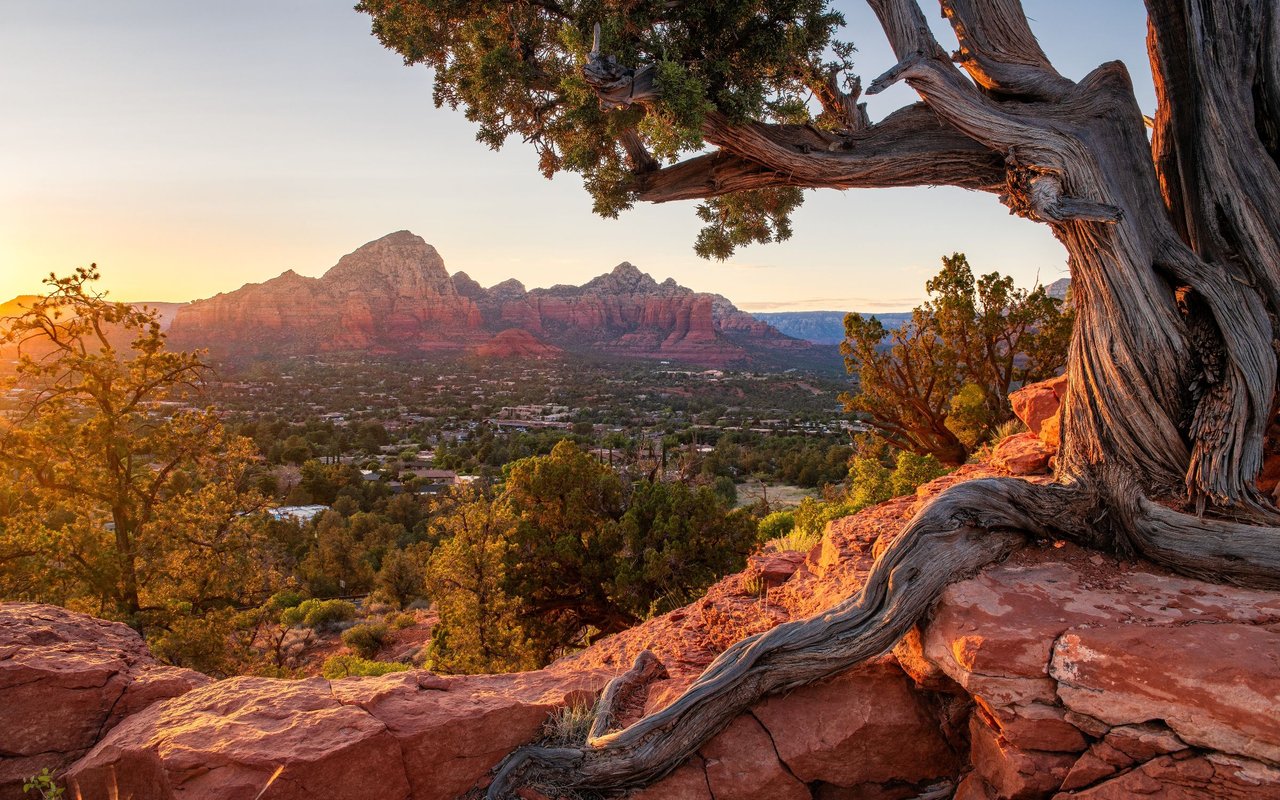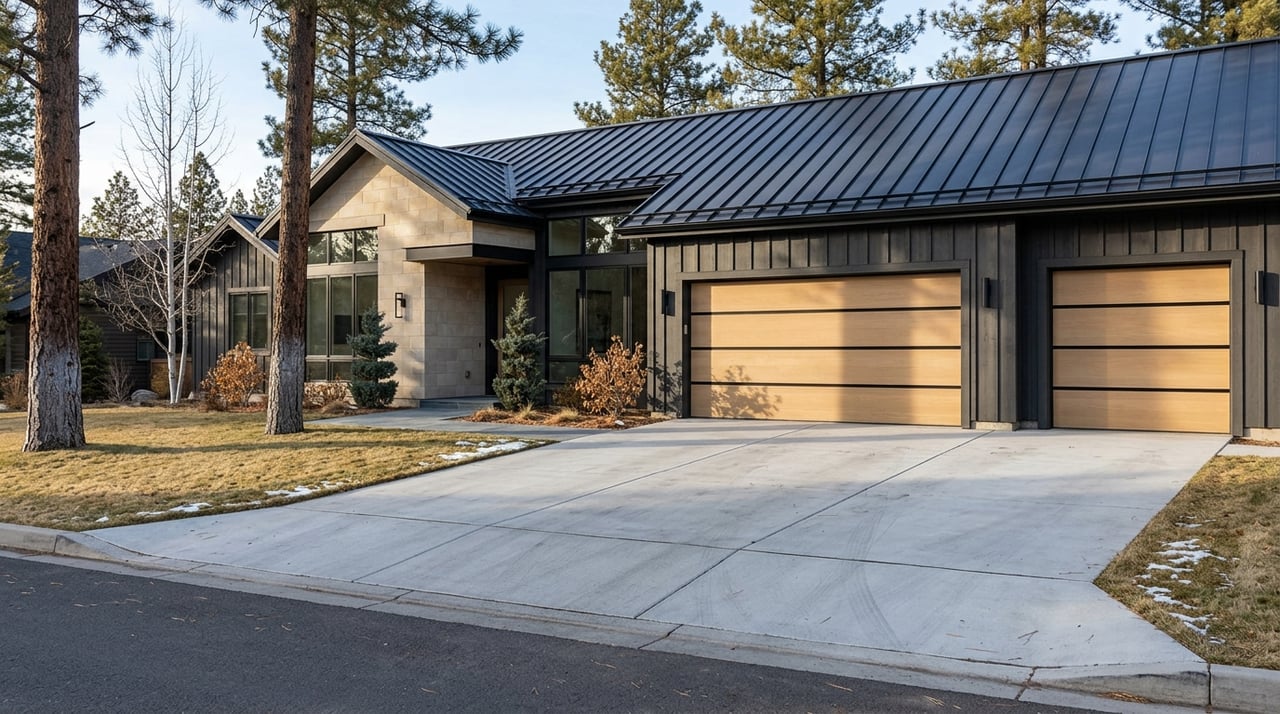
If you are dreaming about mountain living in Arizona, Flagstaff can feel like a surprise in the best way. It is not the desert city many people expect, and it is not just a weekend getaway either. Living here year-round means getting four distinct seasons, easy access to the outdoors, a lively downtown, and a housing market that asks you to plan carefully. Let’s dive in.
Flagstaff feels like a real mountain city
Flagstaff is home to 77,539 residents, which gives it enough size to feel active without feeling overwhelming. It also has a strong university presence, with Northern Arizona University shaping the rhythm of the city through the school year.
That mix gives Flagstaff a unique pace. You get permanent local routines, but you also notice the energy that comes with a large student population, downtown events, and seasonal visitors. In everyday life, that means some parts of town feel especially busy during the academic year, while the city still keeps its identity as a full-time home for many residents.
Four seasons actually shape daily life
One of the biggest differences about living in Flagstaff year-round is the weather. This is a high-elevation city with a semi-arid, four-season climate, so your daily routine changes with the calendar in a way that does not happen in much of Arizona.
Winter brings real snow and cold mornings. NOAA climate normals show average January highs around 43.9°F and average lows around 12.9°F, which means you need to be ready for freezing temperatures and winter driving conditions.
Summer is much milder than lower-elevation Arizona cities. Average July highs are about 81.6°F, with cooler mornings around 46.9°F, so many people find warm-weather months comfortable and easy to enjoy outdoors.
Monsoon season typically runs from July through September. That can bring afternoon thunderstorms and quick weather changes, which is part of the rhythm of summer in Flagstaff.
A practical truth about living here is that layering matters. Local weather sources note that morning lows can run 30 to 40 degrees cooler than afternoon highs, so it is common to start the day in a jacket and end it in short sleeves.
Snow is part of year-round living
If you move to Flagstaff, snow is not just a scenic bonus. It affects your routine, your vehicle choices, and how you think about errands, commuting, and home maintenance.
Snowfall totals vary across the city by elevation and location. Discover Flagstaff reports 108.8 inches of annual snowfall, while NOAA normals for the Flagstaff 4 SW station show 65.3 inches, which highlights how conditions can differ depending on where you are.
The key takeaway is simple: you should expect a real winter season. That can be a major lifestyle benefit if you want snow and seasonal change, but it also means planning ahead for tires, cold-weather gear, and extra travel time when winter storms move through.
Outdoor access is built into everyday life
For many people, the biggest appeal of Flagstaff is how easy it is to be outside. The city is surrounded by Coconino National Forest, and the broader forest includes 1.843 million acres with 693 miles of trails.
Closer to town, the Flagstaff Ranger District covers 849,249 acres around the area. That means hiking, wildlife watching, sightseeing, camping, fishing, and other outdoor activities are not rare special occasions. They are part of normal life for many residents.
The city also supports daily recreation in a practical way. The Flagstaff Urban Trail System has more than 55 miles of non-motorized pathways, and the city offers parks, open space, recreation centers, and an ice rink.
That setup makes it easier to fit movement into your week. You do not have to plan a big trip just to get outside for a walk, bike ride, or trail outing.
Winter recreation stays close to home
Flagstaff stands out because winter recreation is nearby, not hours away. Arizona Snowbowl is about 12 miles outside Flagstaff, and Arizona Nordic Village is about 15 miles from downtown with more than 35 miles of trails.
That proximity shapes year-round living in a real way. You can live a normal workweek, run errands downtown, and still have practical access to skiing, snowshoeing, or snow play on weekends.
For buyers coming from warmer climates, this is often one of the biggest adjustments and one of the biggest perks. You are not just moving to a place with mountain views. You are moving to a place where the season changes what you can do close to home.
Downtown gives Flagstaff its energy
Flagstaff’s downtown is a major part of daily life year-round. Route 66, the historic train station, and the compact downtown core give the city a sense of identity that feels both historic and active.
The Downtown Flagstaff Business Alliance says the district has more than 85 restaurants and bars. That gives you plenty of options for casual weeknight dinners, coffee meetings, weekend outings, and spots to show visiting friends and family.
Downtown also carries much of the city’s arts and culture scene. First Friday ArtWalk, the Flagstaff Symphony Orchestra, The Orpheum, Theatrikos, and Yucca North all help create a calendar that feels fuller than many cities of similar size.
During summer, the Wednesday Farmers Market at Heritage Square adds another local rhythm. Farm-fresh produce, local goods, and pop-up activity help make downtown feel like more than just a place to pass through.
History and science add character
Flagstaff has a personality that goes beyond outdoor recreation. The historic downtown train station remains a central landmark and now serves as the visitor center and Amtrak stop, which ties today’s city back to its railroad history.
Lowell Observatory adds another layer that is hard to find elsewhere. It offers year-round programs, hands-on exhibits, telescope viewing, and stargazing, and it connects to Flagstaff’s long-standing identity as a dark-sky city.
In fact, Lowell Observatory notes that Flagstaff became the world’s first International Dark Sky City in 2001. That science-and-night-sky identity is part of what makes living here feel distinct from other mountain towns.
Flagstaff is well connected for a mountain market
Even though Flagstaff feels tucked into the pines, it is not isolated. The city sits at the junction of I-17 and I-40, about 150 miles north of Phoenix and roughly 80 miles south of the Grand Canyon.
That location matters if you travel often, work remotely but need regional access, or want a home base that connects well to the rest of Northern Arizona. Flagstaff also functions as a regional hub, which adds to its practicality as a full-time home.
Flagstaff Pulliam Airport adds another useful layer. The airport offers American Airlines service to Phoenix, Dallas-Fort Worth, and Los Angeles, giving residents a local option for some trips instead of always driving to the Valley.
Housing is one of the biggest realities
As appealing as the lifestyle is, housing costs are one of the most important parts of the year-round living conversation. Flagstaff is not a low-cost mountain town.
Recent market snapshots vary by source, but they point in the same direction. Zillow lists a typical home value of $660,972 and a median list price of $772,184, Realtor.com reports a median listing price of $782,500 and median rent around $2,000, and Redfin places the median sale price at $699,639 while noting that Flagstaff’s cost of living is 18% above the national average.
The practical takeaway is that buying or renting here usually takes planning. Inventory sensitivity, price point, and monthly carrying costs all deserve serious attention if you are considering a move.
What year-round living really feels like
The best way to describe life in Flagstaff is balanced. You get mountain scenery, cooler weather, and strong access to trails and winter recreation, but you also need to be ready for snow, altitude, and a higher cost of housing.
For many people, that tradeoff is exactly the point. They want a city that feels active and connected, but still offers four seasons, a walkable downtown core, and quick access to nature.
If you are considering a move, it helps to think beyond vacation impressions. The goal is not just to ask whether Flagstaff is beautiful. It is to ask whether its climate, pace, housing costs, and daily routines fit the way you want to live all year long.
If you want help comparing neighborhoods, understanding the market, or figuring out whether Flagstaff is the right fit for your lifestyle, the Justin Bemis Real Estate Team can help you navigate your next move with local insight and a clear plan.
FAQs
What is the weather like in Flagstaff year-round?
- Flagstaff has a four-season, semi-arid climate with snowy winters, mild summers, and monsoon thunderstorms from July through September.
How much snow does Flagstaff get each year?
- Snow totals vary by elevation and location, with reported annual snowfall ranging from 65.3 inches at the NOAA Flagstaff 4 SW station to 108.8 inches from Discover Flagstaff.
Is Flagstaff a good place for outdoor living?
- Flagstaff offers strong outdoor access with Coconino National Forest nearby, more than 55 miles of urban trails, city parks, open space, and close access to skiing and Nordic trails.
What makes downtown Flagstaff important for daily life?
- Downtown Flagstaff serves as a central hub for dining, events, arts, local markets, and historic landmarks, which makes it a regular part of life for many full-time residents.
Is Flagstaff expensive compared with other places?
- Yes. Research sources show home prices and rents above national norms, and Redfin reports Flagstaff’s cost of living is 18% above the national average.