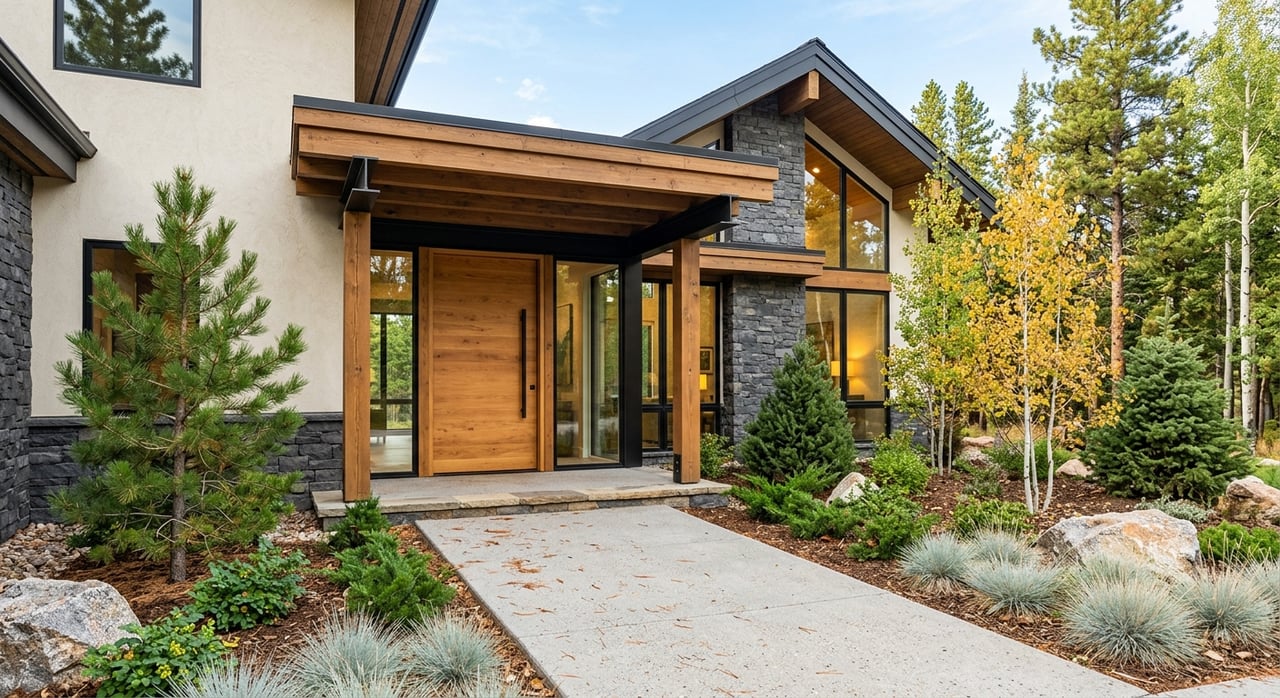
If you’re trying to buy a home in Flagstaff, you’ve probably already felt the pressure. Prices remain high, move-in-ready homes can attract attention fast, and the window to act can be short. The good news is that you do not need a flashy strategy to compete. You need a smart one built on preparation, speed, and disciplined decision-making. Let’s dive in.
Understand the Flagstaff market
Flagstaff continues to be a competitive market for buyers, especially in popular move-in-ready price ranges. The City of Flagstaff reported a median home price of $685,000 as of July 2025, with most for-sale inventory between $500,000 and $900,000. Only 24% of homes were listed below $500,000, which helps explain why buyers often feel pressure early in the search.
Recent market data points in the same direction, even when the exact numbers vary. Redfin reported a May 2026 median sale price of $709,575 and 31 median days on market, while Zillow reported an average home value of $660,963, 404 homes for sale, and a median 14 days to pending as of May 31, 2026. The practical takeaway is simple: if a well-priced home fits your needs, you may not have much time to think it over.
Flagstaff’s cost pressure also shapes how you should approach the process. The city’s housing report found local housing costs were 51.6% above the national average, and overall cost of living was 21.2% above the national average in mid-2025. In a market like this, being “interested” is not enough. You need to be ready.
Get fully ready before you tour
In Flagstaff, strong buyers usually start competing before they ever write an offer. That means getting your financing, paperwork, and expectations in order before you begin touring seriously. When a home comes on the market, preparation helps you move with confidence instead of scrambling.
Arizona’s consumer guidance also makes an important point: the seller’s broker represents the seller. If you want someone focused on your side of the transaction, working with a buyer’s broker can help you understand the process, review disclosures carefully, and stay on top of contract deadlines.
What “ready” looks like
Before you begin making offers, try to have these items lined up:
- A current pre-approval from your lender
- A clear understanding of your budget and monthly comfort range
- Funds available for earnest money
- Cash estimates for down payment and closing costs
- A plan for any gift funds or assistance funds
- Flexibility in your schedule for quick showings and document review
This kind of preparation matters because Arizona contract timelines move quickly once an offer is accepted. In a market where homes may go pending in about two weeks, delay can cost you opportunities.
Explore Flagstaff assistance programs early
If you are a first-time buyer or a qualifying city employee, local assistance programs may strengthen your position. The City of Flagstaff’s CHAP program offers eligible first-time buyers within city limits up to $50,000 in repayable down payment and closing cost assistance. It also offers a permanent affordability pathway equal to 30% of the purchase price for eligible buyers.
The city’s EAH program offers eligible city employees up to $20,000 in matching funds. Both programs go through Housing Solutions of Northern Arizona and require a pre-purchase application and counseling step. If you think you may qualify, start early, because these steps take time and should be in motion before you are trying to compete on a specific home.
Write offers that are easy to accept
In a competitive market, sellers often favor offers that feel clear and manageable. In Arizona, sellers can accept subsequent offers until close of escrow, so your goal is not just to write an offer. Your goal is to write one that gives the seller confidence from the start.
That usually means focusing on simplicity, speed, and clean terms rather than trying to win with drama. A complicated offer with too many moving parts can be harder for a seller to trust, even if the price is strong.
Strong offer traits in Flagstaff
A competitive offer often includes:
- Solid pre-approval documentation
- Clean, easy-to-understand terms
- Realistic timelines that match your lender’s pace
- Quick responsiveness to counteroffers or document requests
- Flexibility on timing when possible
This does not mean waiving protections blindly. It means being thoughtful about which terms truly matter to you and which ones may be making your offer less appealing.
Move fast after acceptance
Many buyers think the hard part ends once the seller says yes. In Arizona, that is really when the clock starts. The standard AAR resale contract treats time periods as calendar days and begins counting from contract acceptance.
That matters because your inspection, disclosure review, and financing milestones can arrive quickly. If you are not organized, you can lose leverage, miss deadlines, or create unnecessary stress in the middle of escrow.
Treat inspection as a due diligence sprint
Arizona’s standard resale contract gives buyers a 10-calendar-day inspection period unless a different period is written into the contract. Any disapproved items must be sent in one signed notice before that period expires. That is a short timeline, especially if you are balancing work, lender requests, and moving plans.
The seller must deliver the SPDS within three days after acceptance. You generally have until the end of the inspection period or five days after receiving the SPDS, whichever is later, to object to items in that disclosure. If you request repairs, the seller has five days to respond, and the BINSR form is the standard way that process is handled.
What to investigate during the inspection period
Arizona’s contract specifically tells buyers to investigate several issues during that window, including:
- Square footage
- Wood-destroying organisms or termite issues
- Flood hazard
- Homeowner’s insurance availability and cost
- Sewer or septic systems
- Swimming pool barrier rules
ADRE also advises professional home and termite inspections. If termite history matters to you, Arizona buyers can access termite treatment history and TARF-related information through state pest-management resources.
Read disclosures carefully
In a fast market, it can be tempting to skim disclosures just to keep the deal moving. That is a mistake. Arizona advises buyers to read the seller disclosure and purchase contract carefully so they understand both the property and the deadlines tied to objections.
A careful review can help you spot issues that may affect cost, insurance, repairs, or long-term fit. It can also help you make a calm decision while you still have contract options available.
Watch for Flagstaff-specific property issues
Not every Flagstaff home comes with the same considerations. Depending on the property type, location, and age, your due diligence may need to go deeper.
For homes in an HOA, review the CC&Rs early. Arizona’s buyer checklist notes that HOA rules can restrict things like landscaping, RV parking, play equipment, and satellite antennas. If those details matter to your lifestyle, check them before you get too attached.
If you are considering a new subdivision home, ADRE says a Public Report must be provided before signing the purchase contract. That report can cover flooding and drainage, adjacent land uses, utilities, community facilities, taxes and assessments, and HOA details.
If your search expands to rural-edge parcels or land around the Flagstaff area, investigate water availability, septic requirements, and geologic hazards before buying. Those issues can affect both usability and future costs.
Plan for insurance and property condition questions
Insurance is one of the easiest items to underestimate in a fast-moving deal. Arizona’s contract specifically tells buyers to investigate homeowner’s insurance availability and cost during the inspection period. That means you should not wait until the last minute to ask for quotes or confirm coverage options.
If the property may be in a flood zone, remember that a standard homeowner’s policy does not cover flood losses. If the home was built before 1978, lead-based paint disclosure rules also apply. These may sound like small details early on, but they can change your costs and your comfort with the purchase.
Compete with clarity, not chaos
When buyers think about competition, they often focus only on price. Price matters, but in Flagstaff, your overall readiness can matter just as much. Sellers want confidence that your financing is solid, your timelines are realistic, and your transaction will keep moving.
That is why the best buyer strategy is usually not aggressive for the sake of being aggressive. It is organized, informed, and responsive. When you know your numbers, understand Arizona timelines, and move quickly on due diligence, you put yourself in a much stronger position.
If you want a local team that can help you move quickly, stay organized, and make confident decisions in the Flagstaff market, connect with the Justin Bemis Real Estate Team.
FAQs
How competitive is the home buying market in Flagstaff?
- Flagstaff remains a competitive market with high prices and relatively fast timelines. Local and third-party data show that many homes, especially move-in-ready properties, can attract attention quickly and go pending fast.
What makes a buyer stronger in Flagstaff, Arizona?
- A strong buyer is usually fully prepared before making an offer, with lender documentation, earnest money funds, down payment planning, and any assistance program paperwork ready to go.
How long is the inspection period in an Arizona home purchase?
- Under the standard Arizona resale contract, buyers usually have a 10-calendar-day inspection period unless a different timeline is written into the contract.
What should a buyer review for a Flagstaff home in an HOA?
- You should review the HOA’s CC&Rs carefully, since they can restrict items such as landscaping choices, RV parking, play equipment, and satellite antennas.
Are there homebuyer assistance programs in Flagstaff?
- Yes. Eligible first-time buyers within city limits may qualify for the CHAP program, and eligible city employees may qualify for the EAH program. Both require an application and counseling step through Housing Solutions of Northern Arizona.
What disclosures matter most when buying a home in Flagstaff?
- Buyers should carefully review the seller’s SPDS, inspection findings, HOA documents if applicable, and any subdivision Public Report for new homes, along with insurance, flood hazard, and property-condition details.