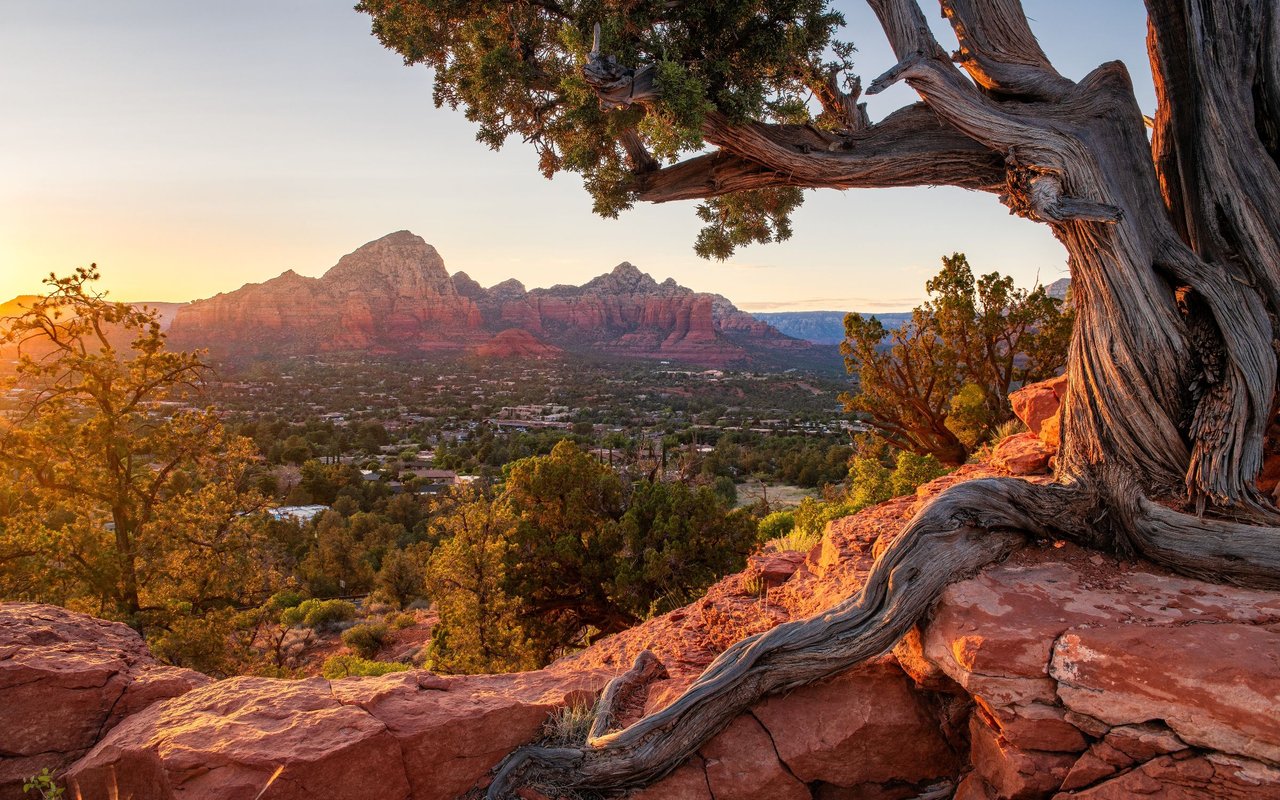
What does everyday life in Sedona actually feel like once the vacation photos fade? If you are thinking about moving full-time, buying a second home, or investing here, that question matters just as much as the views. Sedona offers stunning scenery, but daily life is really shaped by small-town scale, outdoor routines, arts and dining, and a citywide effort to balance tourism with resident quality of life. Let’s dive in.
Sedona feels small by design
Sedona is home to about 9,619 residents spread across 18.26 square miles, so it lives more like a small mountain town than a larger Arizona city. That smaller scale affects everything from traffic patterns to housing choices to how quickly you learn your favorite local spots.
The housing profile also tells you a lot about who lives here. Census data shows a 72.6% owner-occupied housing rate, an average household size of 1.99, and 35.5% of residents age 65 or older. For you as a buyer, that can translate into a market with many full-time owners, second-home interest, and a community rhythm that often feels quieter than major metro areas.
Outdoor life shapes the daily routine
In Sedona, getting outside is not just a weekend plan. It is part of how many people structure their mornings, afternoons, and even transportation choices.
Official hiking guidance says the area includes 200 trails and more than 400 miles of trail access. If you live here, that means your routine might include an early trail walk, a mountain bike ride, or a quick scenic outing before work or dinner.
Early starts are part of the lifestyle
Trailhead parking can fill quickly, especially during busy seasons, and summer hikes are best started early. Cell service can also be limited in some areas, so daily outdoor life in Sedona comes with a little more planning than in a typical suburban setting.
Some trailheads can be reached by shuttle, which helps reduce parking pressure. That is one of the practical ways Sedona supports access to outdoor recreation without adding as much strain to roads and parking lots.
Biking and transit matter here
Sedona is also known as a major mountain-biking destination, so cycling is not just a niche hobby. It is part of the broader active lifestyle that draws many buyers to the area.
The city’s transit setup reflects that outdoor pattern. Sedona Shuttle Trailhead Routes are free, and Sedona Shuttle Connect is an on-demand ride service that can take riders almost anywhere in Sedona for $2. The city’s 2024 Community Plan also supports stronger pedestrian, bicycle, and transit connections, along with congestion relief around key intersections.
Dark skies influence life at home
One of Sedona’s most distinctive everyday features shows up after sunset. The city is an International Dark Sky Community, and that status affects how homes and neighborhoods look and feel at night.
Residents are expected to limit outdoor lighting to what is necessary. The city has also noted that older nonconforming light fixtures are expected to be replaced by 2028, so if you are buying a home, exterior lighting is one of those small but meaningful details worth reviewing.
For many homeowners, this creates a quieter nighttime atmosphere. Instead of bright, heavily lit streetscapes, Sedona leans toward a more restrained approach that supports views of the night sky and reinforces the area’s connection to the natural landscape.
Arts are woven into normal life
Sedona’s arts scene is unusually deep for a city its size. This is not the kind of place where galleries exist only for visitors. Art is part of the town’s regular rhythm.
The city has more than 80 art galleries, with major gallery clusters at Tlaquepaque, Hillside, and Gallery Row. Monthly First Friday events add a recurring community feel, giving residents a familiar reason to go out, browse, and reconnect with the local creative scene.
Sedona Arts Center has been a local anchor since 1958 and continues to offer classes, exhibitions, and community events. If you are comparing Sedona to other Northern Arizona markets, this is one of the clearest lifestyle differences you will notice.
Dining is part of the local rhythm
In some small towns, dining options are limited. Sedona is different.
According to the official dining guide, the local food scene is tied closely to the Verde Valley and Oak Creek Canyon, with choices ranging from quick bites and casual patio lunches to more refined dinners with red rock views. Many places also offer vegetarian, vegan, and gluten-free options, along with Arizona wine, local brews, and cocktails.
For you as a resident, that means dining out can feel like a realistic part of everyday life, not just something reserved for special occasions. Whether you want a relaxed lunch after a trail outing or a dinner spot for guests, the variety is part of Sedona’s broader lifestyle appeal.
Homes are designed to fit the landscape
Sedona’s housing character is shaped less by one strict architectural style and more by how a home sits within its surroundings. The city’s design manual does not require a single style or theme.
Instead, design is expected to draw from the surrounding red rock setting and historical heritage. The Land Development Code says house colors should blend with the natural environment, building mass should be reduced where possible, and landscaping should reflect the natural environment.
What that means for buyers
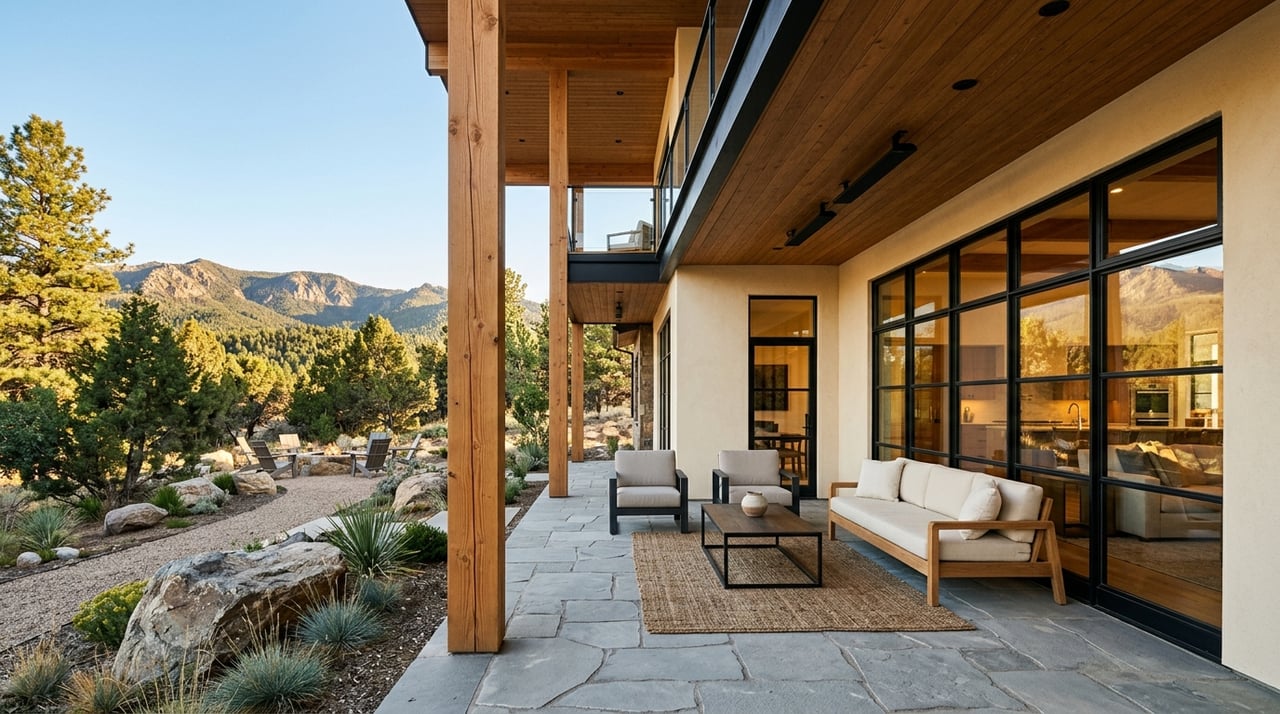
In practice, many buyers will see a mix of Southwestern, contemporary, and custom desert-inspired homes. The common thread is that homes are generally expected to recede into the scenery rather than dominate it.
If you are shopping in Sedona, this can shape your expectations in helpful ways. You may notice more earth-toned exteriors, more site-sensitive design, and more emphasis on how a property works with its lot, views, and terrain.
Tourism is part of daily reality
Sedona is a tourism-driven market, and that affects everyday life in visible ways. You are not just buying into beautiful scenery. You are also buying into a community that actively manages the relationship between residents and visitors.
The city’s Tourism Program says Sedona became the official destination management and marketing organization in 2023 with the goal of balancing the tourism economy with resident quality of life. The 2024 Community Plan also calls for responsible visitation and visitor management.
Parking and circulation are ongoing priorities
The city is pursuing parking-management solutions that include an Uptown garage and a possible residential parking permit program. Those efforts reflect a practical truth about Sedona life: access, circulation, and parking matter more here than they might in less visitor-heavy communities.
For a full-time resident, that can mean planning errands and outings with timing in mind, especially in higher-traffic areas. For a second-home buyer, it is an important reminder that the visitor economy is not abstract. It is part of how the town operates day to day.
Short-term rental rules matter before you buy
If you are considering a second home or investment property, Sedona’s short-term rental rules deserve close attention. The city states that a permit is required even if a property is rented for only one day per year.
Short-term rentals may not be used for special events of any size. The city also says rentals of 30 days or longer do not need the short-term rental permit if the listing shows a 30-day minimum, and it maintains a 24/7 complaint hotline.
This is one of the biggest practical differences between buying for lifestyle and buying for income. If rental flexibility is part of your plan, you will want to evaluate a property with local rules and your intended use in mind from the start.
What everyday life in Sedona adds up to
Sedona daily life is about much more than scenic overlooks. It is a small, active, arts-centered mountain town where outdoor access, dark-sky standards, design expectations, and tourism management all shape how you live.
For some buyers, that combination is exactly the draw. You get strong lifestyle appeal, a distinctive setting, and a community that is actively trying to protect what makes Sedona unique.
If you are weighing Sedona against Flagstaff, Prescott, Camp Verde, or another Northern Arizona market, the real question is not just whether you love the views. It is whether Sedona’s pace, housing character, and visitor-managed environment fit the way you want to live.
If you want help comparing Sedona neighborhoods, evaluating a full-time move, or reviewing second-home and investment options with local context, connect with the Justin Bemis Real Estate Team.
FAQs
What is everyday life like for full-time residents in Sedona?
- Everyday life in Sedona often centers on a small-town pace, outdoor recreation, arts events, dining variety, and a community culture shaped by tourism management and dark-sky standards.
What should Sedona homebuyers know about outdoor access?
- Sedona offers 200 trails and more than 400 miles of trail access, but trailhead parking can fill quickly, some areas have limited cell service, and early starts are especially important in summer.
What should Sedona buyers know about local transportation?
- Sedona has free Shuttle Trailhead Routes and a $2 on-demand Shuttle Connect service, and the city continues to work on transit, bicycle, pedestrian, and congestion improvements.
What do Sedona dark-sky rules mean for homeowners?
- Sedona homeowners are expected to limit outdoor lighting to what is necessary, and older nonconforming fixtures are expected to be replaced by 2028.
What styles of homes are common in Sedona?
- Sedona homes often reflect a mix of Southwestern, contemporary, and custom desert-inspired design, with city standards that encourage colors, landscaping, and building forms that blend with the natural environment.
What should Sedona investors know about short-term rentals?
- Sedona requires a permit for short-term rentals even if a property is rented only one day per year, prohibits special events at short-term rentals, and exempts rentals of 30 days or longer when the listing shows a 30-day minimum.